
Hogir al-Abdo*
Donald Trump’s return to the presidency has reignited apprehensions among Syrian Kurds, who still bear the scars of his 2019 decision to withdraw U.S. forces, paving the way for a Turkish military incursion. This move left Kurdish communities feeling forsaken by their key ally in the fight against ISIS, exposing them to significant displacement and violence.
A Legacy of Betrayal
The October 2019 offensive by Turkey displaced tens of thousands of Kurds from northern Syria, creating a sense of vulnerability that lingers to this day. Many Kurds view Trump’s decision as prioritizing Ankara’s interests over those of the U.S.’ staunchest on-the-ground allies in the battle against terrorism.
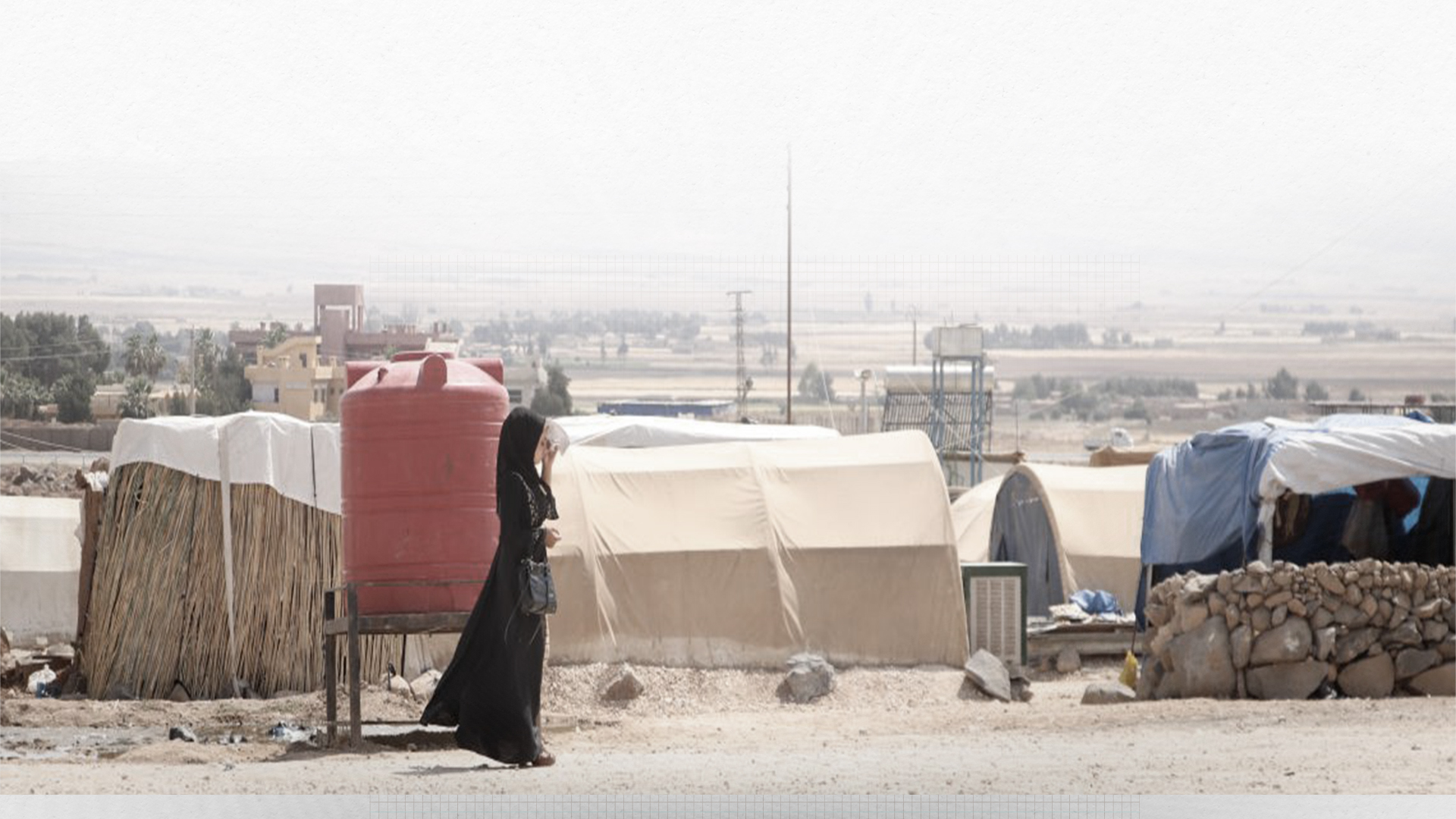
For Mohammed Hamada, a 20-year-old displaced resident of Tel al-Samen IDP camp in Raqqa, Trump’s re-election has brought fresh anxiety.
“People here are terrified that Erdogan will exploit his relationship with Trump for another attack,” Hamada says. “He abandoned us once. We can’t endure that again.”
Hamada has lived in a tent with his eight-member family since 2019, facing extreme weather and minimal resources. The camp’s harsh conditions—marked by food shortages and inadequate medical care—exemplify the plight of displaced Kurds.
Rising Tensions
Trump’s victory appears to embolden Turkey’s ambitions in northern Syria. President Recep Tayyip Erdogan’s government has expressed optimism about potential U.S. policy shifts, fueling Kurdish fears of renewed aggression.
Abdul-Halim Suleiman, a journalist with Independent Arabia, argues that Erdogan’s ability to leverage Trump for another military campaign might face new obstacles. “Geopolitical dynamics have shifted, and existing ceasefire agreements complicate Turkey’s options,” Suleiman explains.
During Trump’s first term, Erdogan capitalized on a close relationship with the U.S. president to launch military operations. However, backlash from the Pentagon and the American public forced Trump to partially reverse his withdrawal.
Shifting Global Context
Zaki Haji, a legal expert at the Syrian Center for Media and Freedom of Expression, believes that Trump’s second term may involve a more calculated approach to U.S. presence in Syria.
“Trump’s priorities have evolved, particularly given the broader conflicts in the Middle East,” Haji says. He emphasizes that a hasty U.S. withdrawal could create a vacuum, bolstering Iran and Russia while risking a resurgence of ISIS.
Recent global events, including escalations in Gaza, have also altered Western perceptions of Middle Eastern stability, making it unlikely for the U.S. to forfeit its foothold in Kurdish-controlled areas.
Turkey’s Regional Aspirations
Erdogan’s government has pursued aggressive policies to undermine Kurdish autonomy, launching multiple operations since 2016. These campaigns have resulted in Turkey’s occupation of areas like Afrin and Tel Abyad, with allegations of property seizures and forced demographic changes.
Kurds displaced by these operations describe conditions of systemic abuse. Ahmad al-Idan, a former Tel Abyad resident now living in Raqqa, recalls how Kurdish-owned properties were seized or sold off by Turkish-backed factions.
“These groups are no better than ISIS,” al-Idan laments. “They profit off our suffering.”
International watchdogs, including Amnesty International, have documented such abuses, highlighting the precarious situation of Kurdish communities under Turkish occupation.
U.S. Strategic Interests
For both Kurds and U.S. policymakers, Trump’s next moves will be critical. Maintaining American support for the Syrian Democratic Forces (SDF) is essential not only for regional stability but also for U.S. credibility on the global stage.
“Abandoning the Kurds again would destabilize the region and embolden adversaries,” Haji warns. Suleiman echoes this sentiment, noting that Kurdish-controlled areas in Syria and Iraq are vital for countering Iranian influence and combating ISIS.
Hope for a New Approach
Despite lingering fears, Kurdish observers remain cautiously optimistic that Trump’s second term might prioritize a more consistent strategy.
“This is an opportunity for the U.S. to reaffirm its commitments,” Suleiman says. “Ensuring Kurdish security is not just a moral imperative—it’s a strategic necessity.”
For displaced families like Hamada’s, the hope is simple: that Trump will choose not to repeat the mistakes of his first term, sparing them further suffering and restoring their trust in the United States.
As Trump prepares to take office in January 2025, the decisions he makes regarding U.S. involvement in Syria will carry profound implications—not just for Kurdish communities, but for the broader Middle East.
*Hogir Al-Abdo, a Kurdish journalist from Syria, began his career in media as an active journalist working in the field and newsroom for various local agencies and newspapers for more than ten years. He is currently working with the Associated Press in Northeast Syria.