
Introduction:
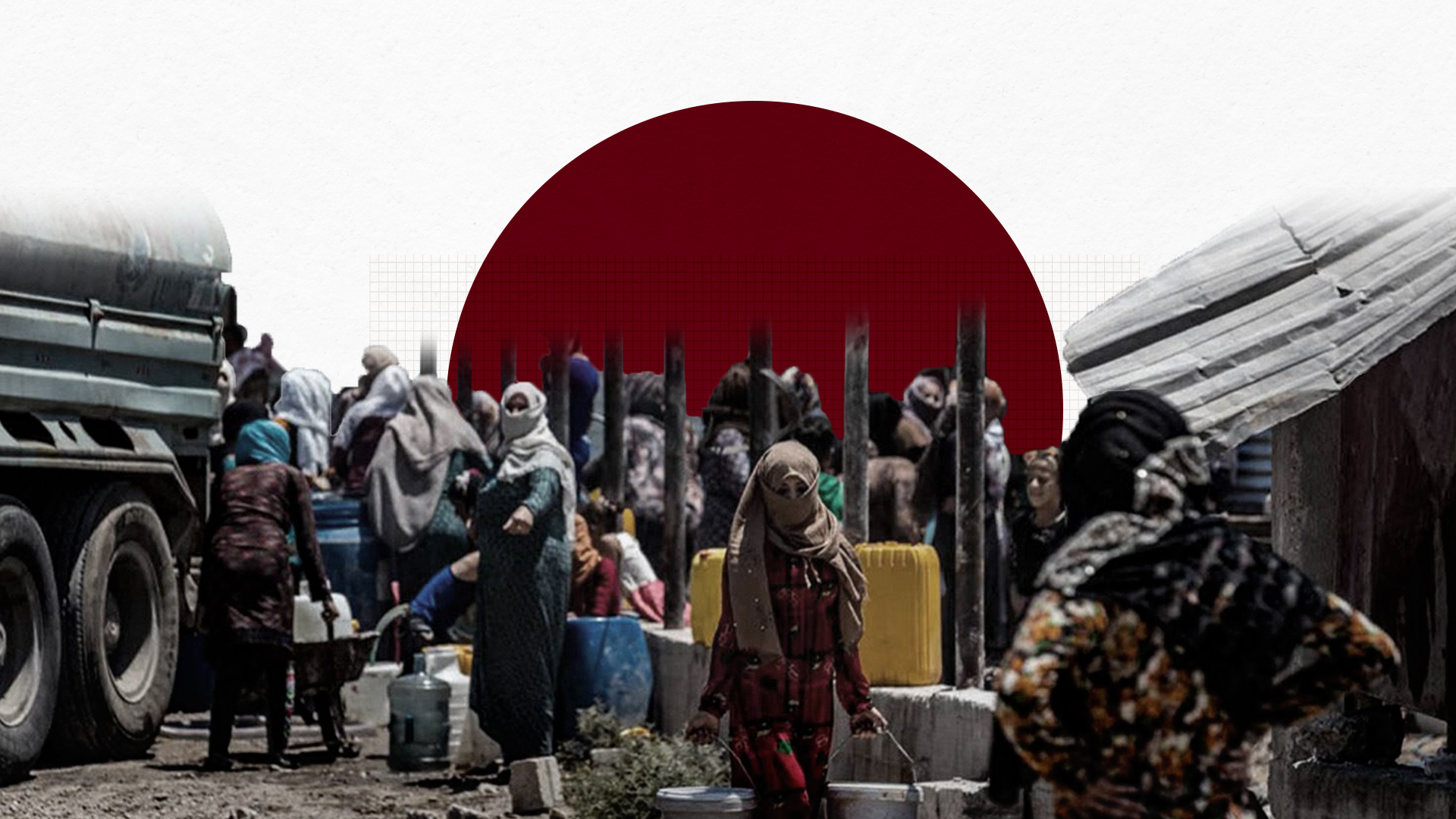
The “Early Recovery Strategy” in Syria, announced by the United Nations for the 2024-2028 period, is an ambitious initiative aimed at improving the lives of millions affected by years of war. The strategy focuses on rehabilitating critical infrastructure such as healthcare, education, electricity, and water while reducing reliance on emergency aid and creating conditions for relative stability. However, the strategy faces significant challenges related to oversight and transparency, amid concerns about potential political or economic exploitation.
To ensure the success of this strategy and achieve its humanitarian goals, the DeFacto Dialogue Platform team engaged with civil society organizations in Northeast and Northwest Syria, as well as key figures and activists in the civic field. Based on these consultations, we present the following recommendations to international donors and the U.N., aiming to enhance Syrians’ living conditions, achieve sustainable development goals, and minimize the risk of political or economic exploitation.
Recommendations:
- Strengthen International Oversight on Funding: Establish independent monitoring bodies to oversee the implementation of early recovery projects, with regular reports to ensure transparency and adherence to humanitarian goals.
- Engage Civil Society: Involve local civil society organizations in planning and implementing projects to identify genuine needs and ensure adherence to humanitarian objectives free from political bias.
- Fair Resource Distribution Criteria: Develop clear criteria for allocating funds and aid based on the needs of affected areas, regardless of political affiliations, ensuring support reaches the most impacted populations.
- Enhance Transparency in Gulf Funding: Implement stringent oversight mechanisms on aid from Gulf states to prevent its misuse in fostering patronage networks or supporting political agendas.
- Strict Accountability Mechanisms: Create independent mechanisms to receive complaints and investigate violations, with immediate penalties for deviations from declared humanitarian goals.
- Regular Project Evaluation: Conduct periodic reviews of early recovery projects through independent international auditing firms to ensure desired outcomes and address implementation errors.
- Depoliticize Aid: Ensure funds allocated for early recovery are exclusively used to meet humanitarian and developmental needs, free from political interference or exploitation.
- Effective Aid Distribution Plans: Design efficient distribution plans to ensure aid reaches the most affected areas, especially those difficult to access due to conflict or security challenges.
- Neutral Management of Recovery Funds: Insist on managing the recovery fund from neutral U.N. offices, such as New York, to guarantee transparency and avoid local misuse of resources.
- Better Inclusion of Non-Traditional Donors: Introduce strict oversight systems for contributions from non-traditional donors, such as Gulf states, to ensure their effective use in line with stated humanitarian goals.
- Rebuild Infrastructure for Social Stability: Prioritize the rehabilitation of essential infrastructure, including electricity, water, healthcare, and education, to foster stability and reduce reliance on emergency aid.
- Empower Local Economies: Create job opportunities in affected communities as part of recovery projects, improving livelihoods and reducing unemployment rates.
- Launch Community Awareness Campaigns: Organize awareness campaigns to educate local populations about the Early Recovery Strategy’s objectives and benefits, promoting transparency and community participation.
- Collaborate with International Organizations: Strengthen partnerships with other international organizations to ensure coordinated efforts and integration between early recovery projects and humanitarian aid.
- Enhance Women’s Role in Recovery Projects: Ensure women’s participation in planning and implementation, empowering them economically and socially while amplifying the strategy’s impact on society.
- Manage Security Risks: Develop plans to address security risks in conflict-affected areas to ensure uninterrupted project implementation.
- Independent Evaluation of Recovery Projects: Assign independent bodies to conduct regular evaluations of recovery projects to achieve goals and address emerging issues promptly.
- Foster Regional Cooperation: Seek opportunities for collaboration with neighboring countries to strengthen joint efforts in rebuilding infrastructure and supporting sustainable development.